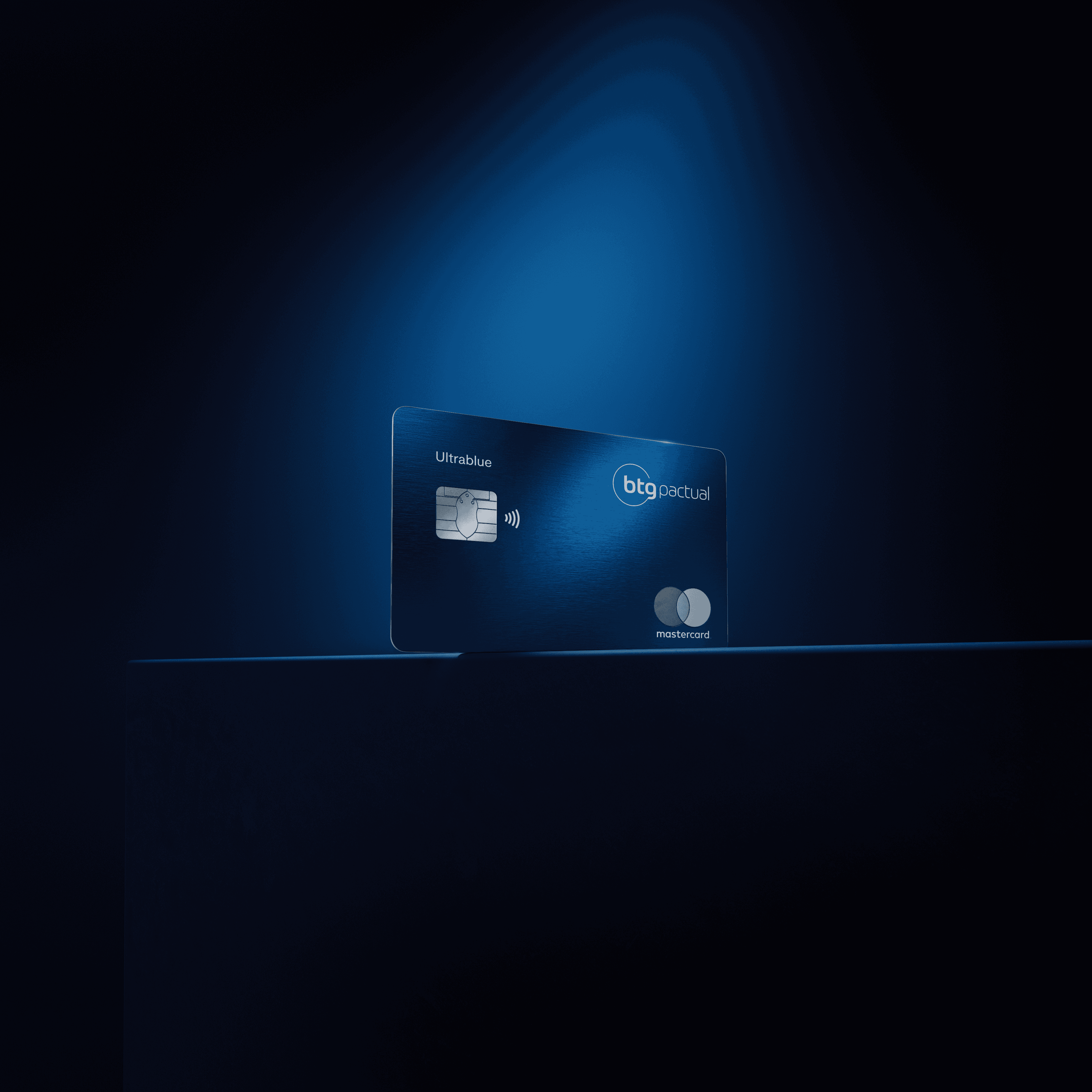
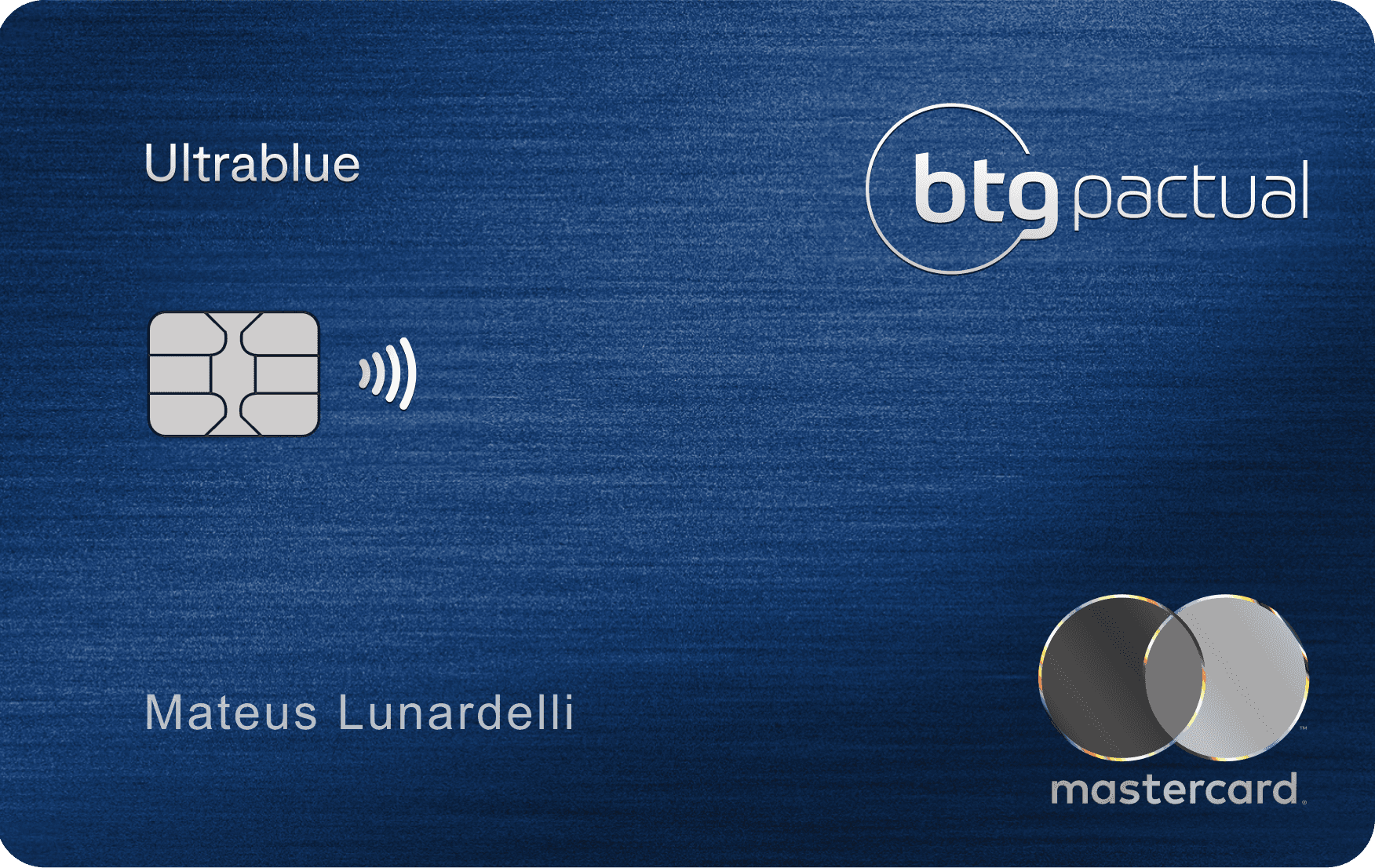
Ultrablue
Exclusive credit card for select clients
My role
UX Lead - Interaction Design, Visual Design, Usability Testing, Rapid Prototyping
Deliverabled
Credit card mobile flow, user research, high fidelity designs
Team
Product designer, Product managers, UX researchers, iOS and Android developers, QA and business analysts
Time
2 months in 2024
Understanding the market
Before proposing any solution, it was essential to understand how the main players in the Brazilian market were positioning themselves in the premium credit card segment.
The goal of Ultrablue was not just to launch another card, it was to create a product that would reinforce BTG Pactual’s positioning with a high-income, sophisticated audience who already had an investment relationship with the bank but still relied on credit cards from other institutions.
In 2024, the leading premium cards in Brazil were:
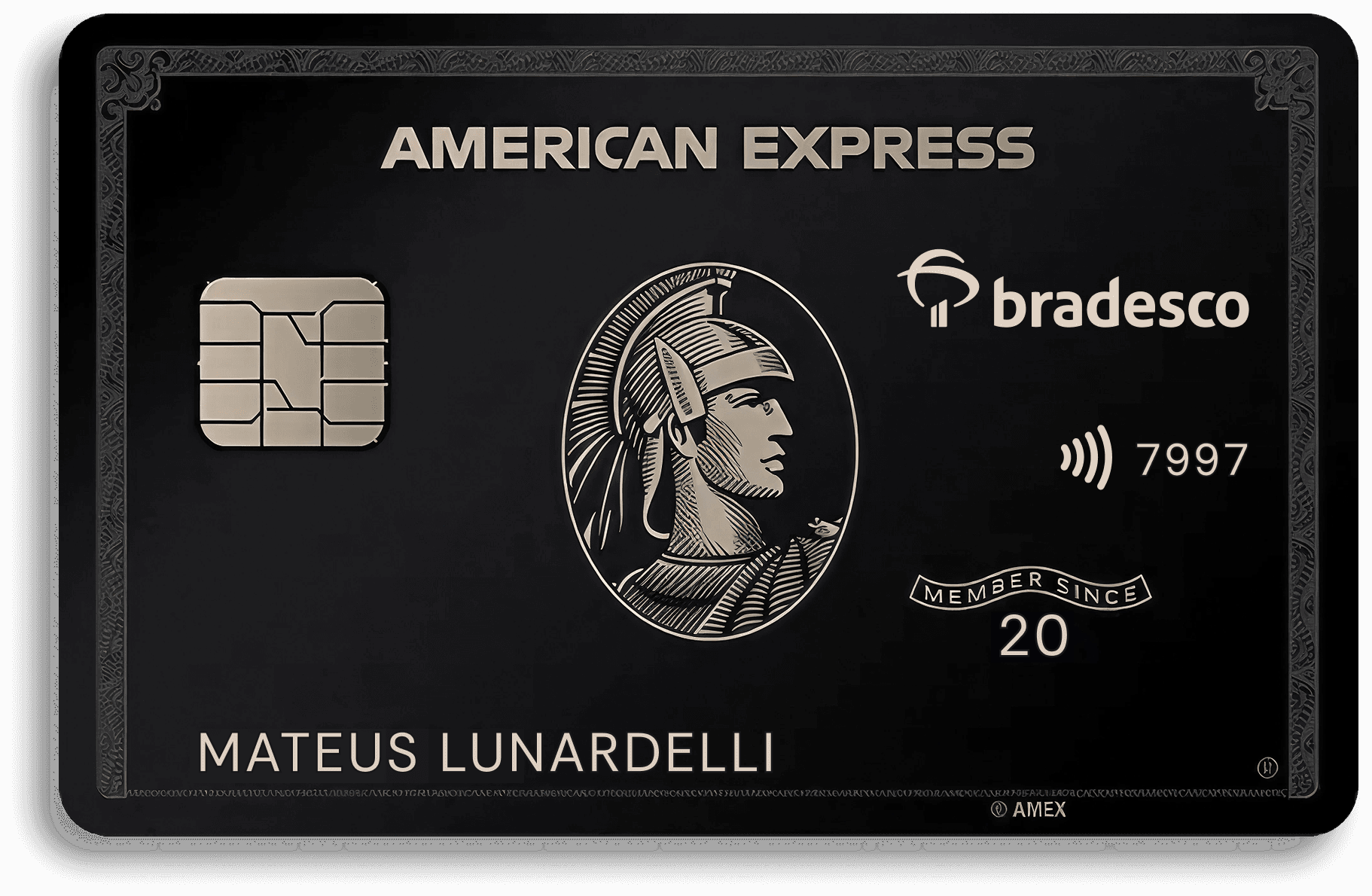
• Amex Platinum by Bradesco
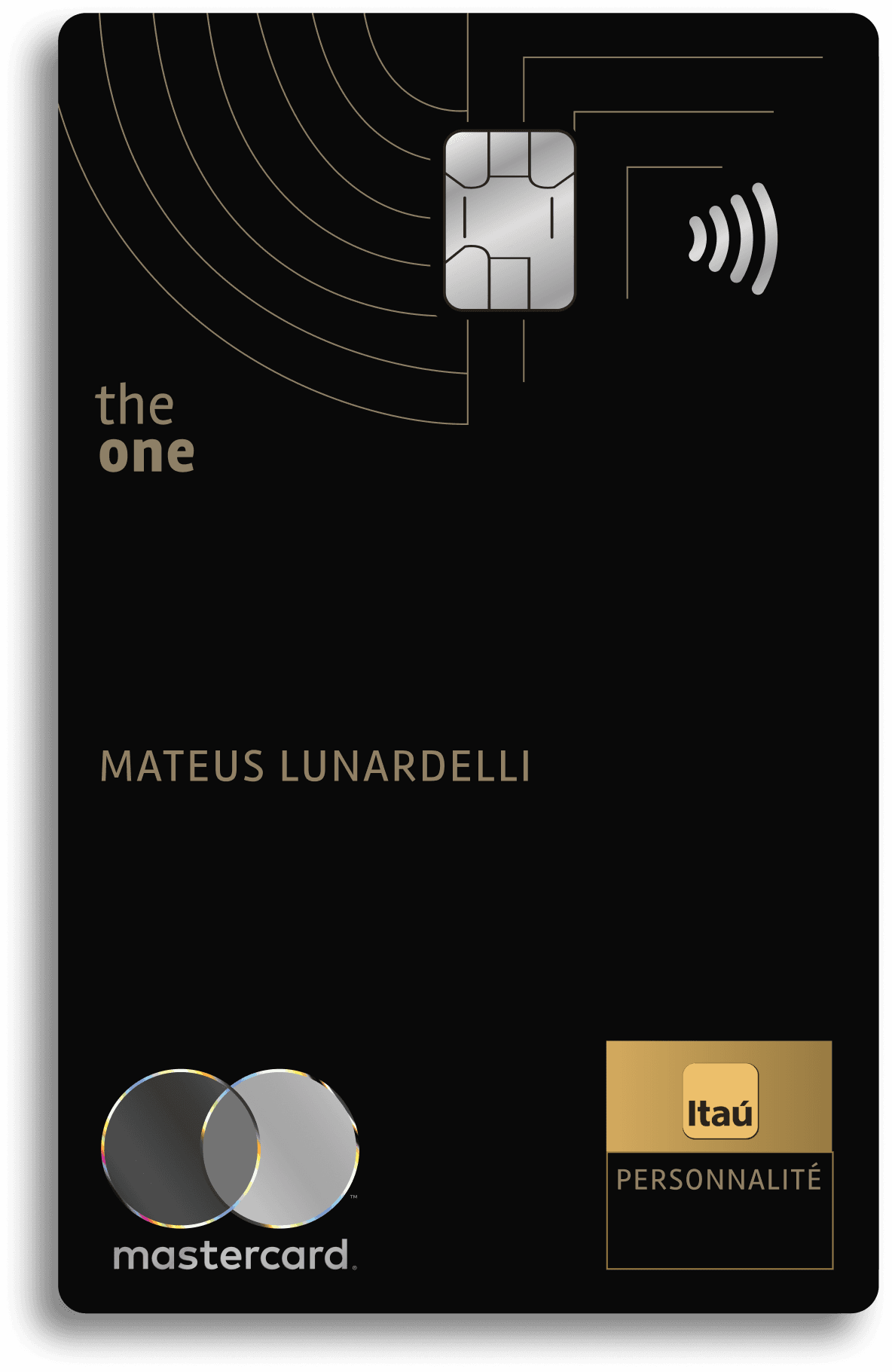
• Itaú The One
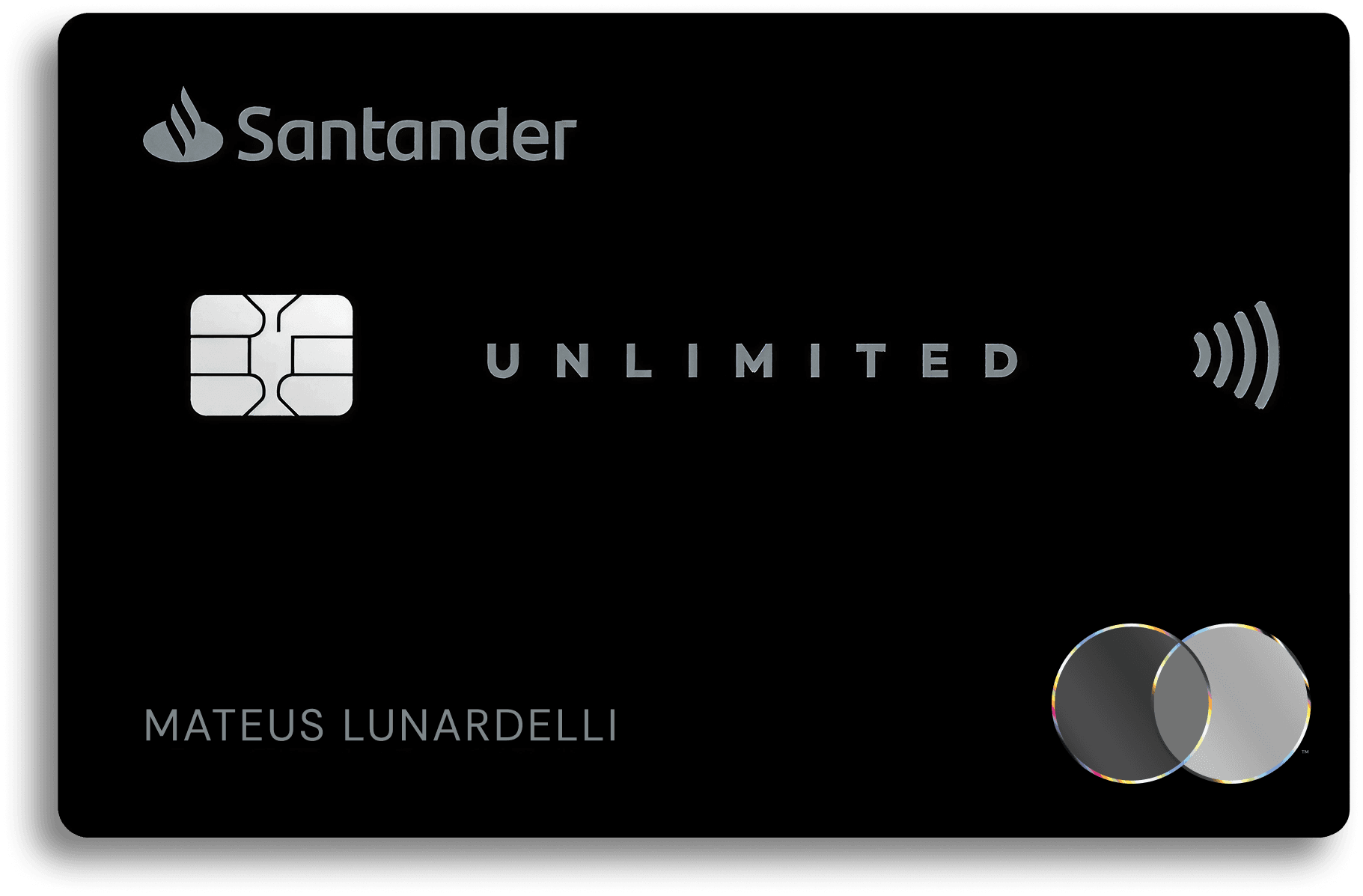
• Santander Unlimited Black
They each had distinct positioning, but shared common traits: targeting high-net-worth clients, offering travel-related benefits, and requiring strong financial relationships with the issuing bank.
Fee waiver: R$5M invested



American Express
Metal card
Cashback
IOF discount
2.2 points per dollar
Unlimited lounge access
Premium concierge
Unlimited card
Monthly fee: R$ 1.800,00
The One
Metal card
Cashback
IOF discount
3 points per dollar
Unlimited lounge access
Premium concierge
Unlimited card
Monthly fee: R$ 4.000,00
Santander Unlimited
Metal card
Cashback
IOF discount
2.6 points per dollar
Unlimited lounge access
Default concierge
Unlimited card
Monthly fee: R$ 1.290,00
A path to be built
When analyzed side by side, it became clear that although all competitors operated within the premium segment, each one addressed a different underlying customer motivation.
This competitive landscape revealed a clear opportunity: the absence of a premium card that could combine the credibility of the largest investment bank in Latin America with a seamless digital banking experience and truly distinctive travel benefits, such as BTG Pactual’s exclusive terminal, zero IOF for international purchases, and other privileges curated specifically for frequent travelers.
These differentiators, deeply aligned with the lifestyle and expectations of BTG’s high-net-worth clients, opened space for Ultrablue to stand out, not as just another “expensive” credit card, but as a strategic financial asset, designed to become a central part of the client's financial journey.

The path was clear, now it was time to face the flows that already existed.
This is where the real challenges begin…
Challenge: The existing structure
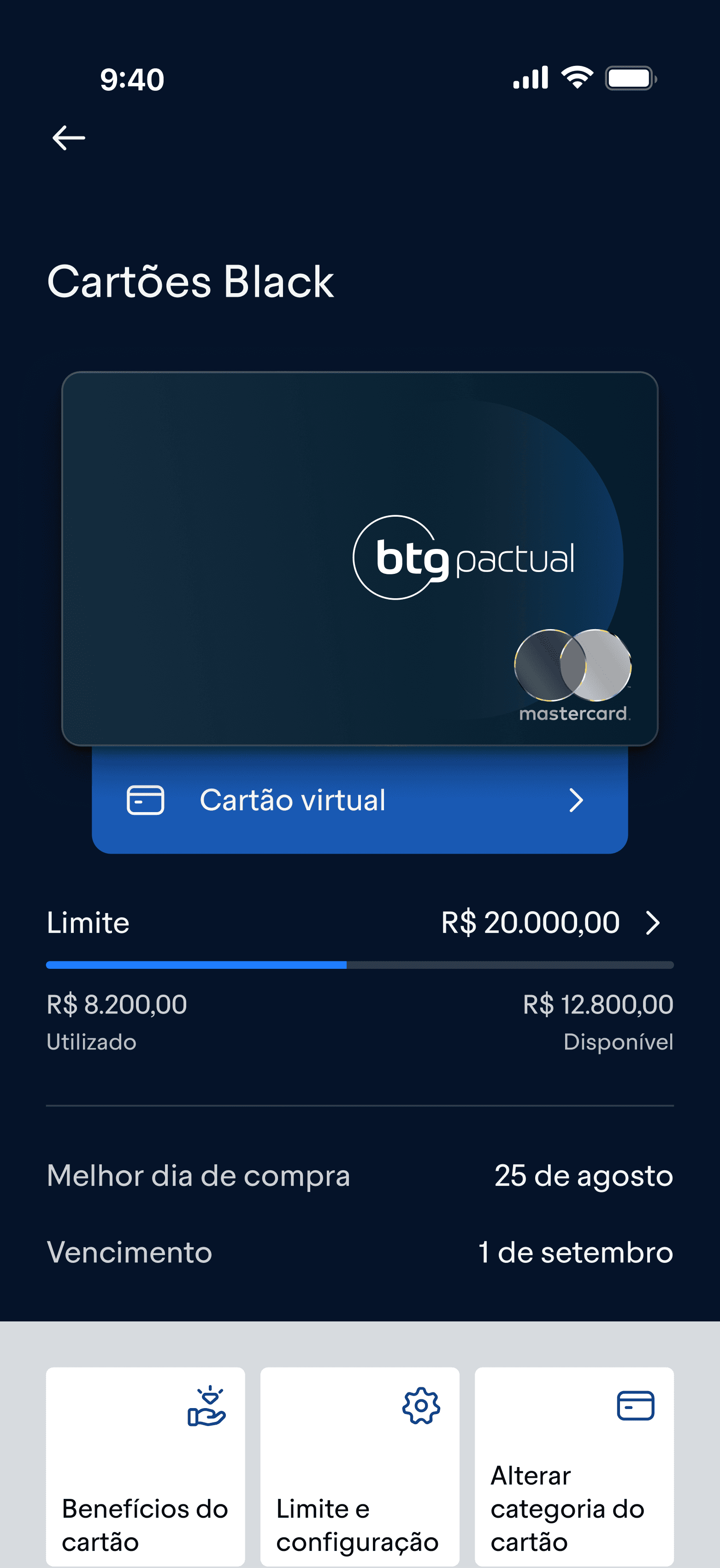
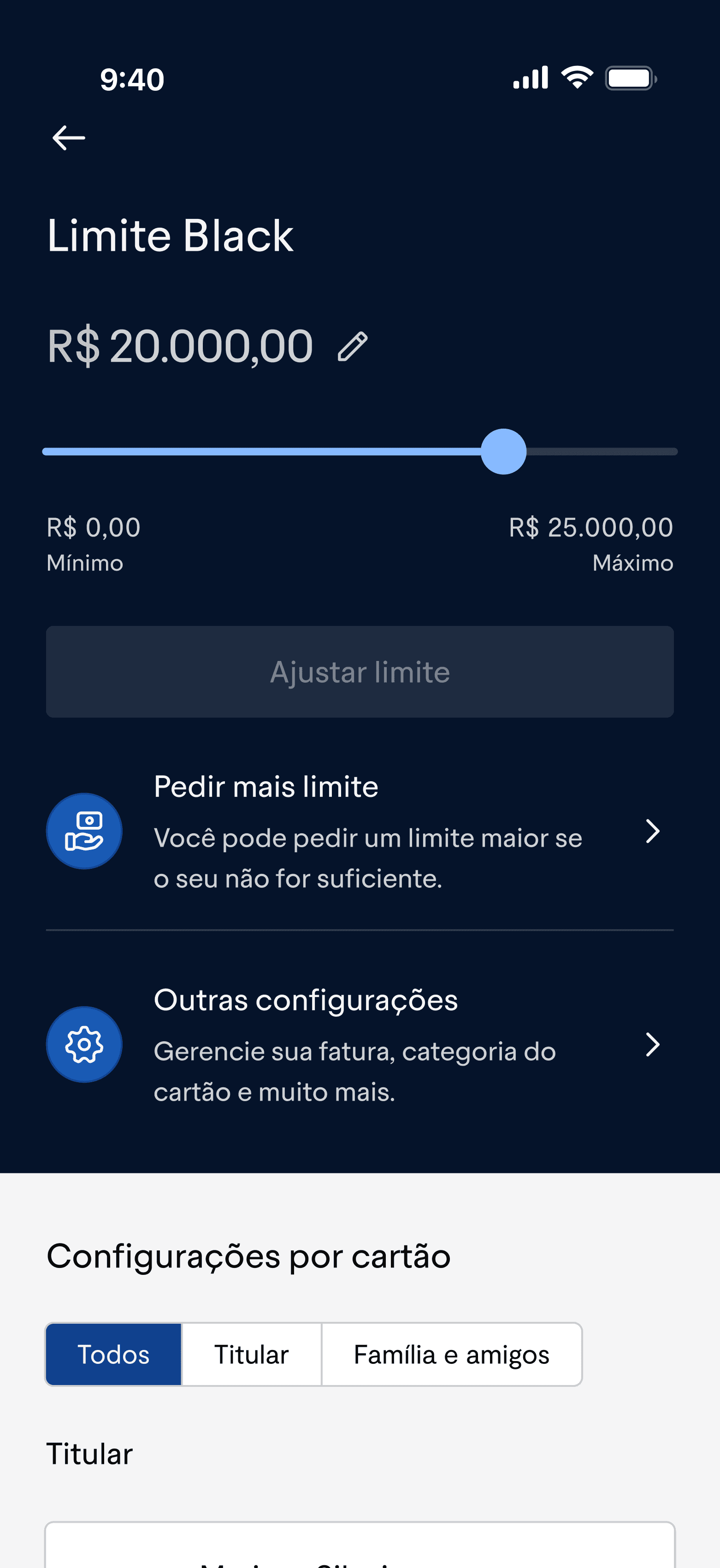
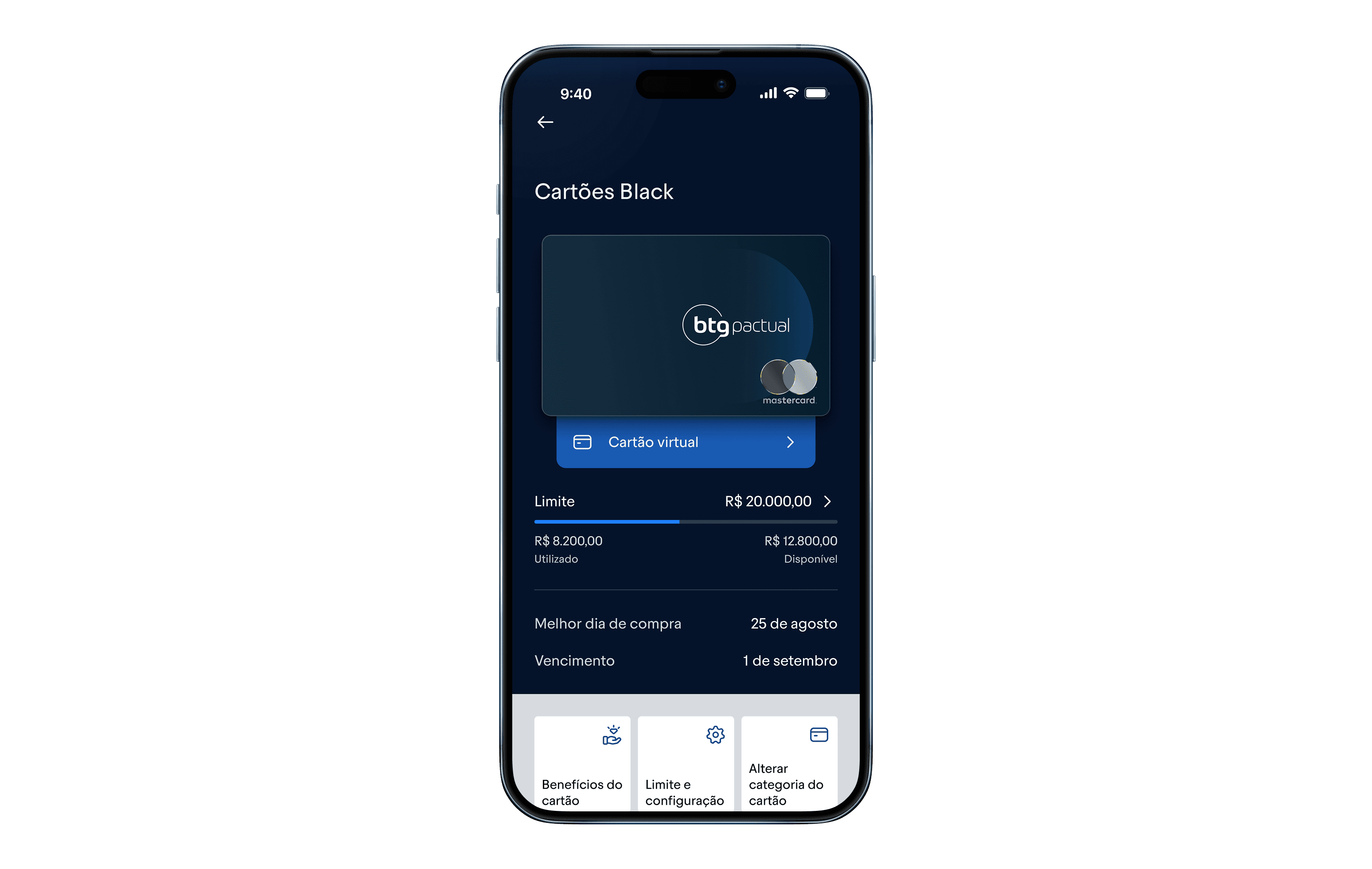
Limit model mismatch
The entire BTG card ecosystem was built around preset credit limits, from the card overview on the home screen to the limit management flow.
Ultrablue, with its no preset spending limit, required a rethink of these flows to avoid confusion and ensure a clear and consistent value perception throughout the experience.
This wasn't just a UI adjustment, it demanded a shift in how we educate the user about the product's core promise.
We had to ensure that the absence of a visible limit would feel like a privilege, not a gap. The interface had to communicate flexibility, trust, and financial status, all while maintaining consistency with the app's existing logic.


Shift in benefit logic
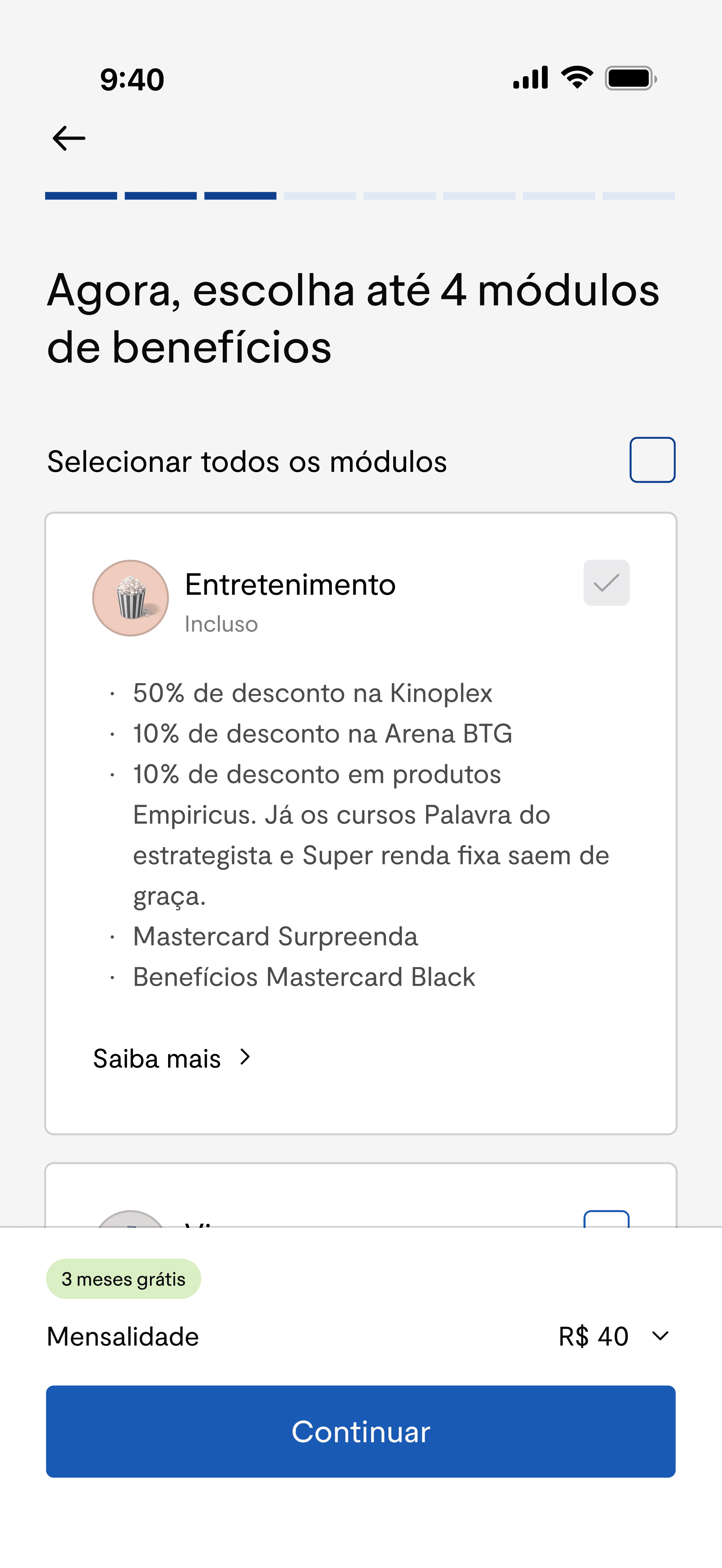
BTG’s existing credit card offering is based on a modular model, allowing clients to build their own benefit package. Ultrablue, on the other hand, is designed as an all-inclusive, pre-defined premium experience, with a strong emphasis on travel, convenience, and exclusivity.
This shift required us to rethink the entire mental model of card selection and onboarding. We needed to move from "build your card" to "discover your experience", crafting a narrative that framed the fixed benefit package as a carefully curated solution rather than a limitation of choice.

How could we adapt existing card journeys to support a no-limit product with a fixed set of benefits, while preserving operational efficiency and delivering a premium experience?
We’ll explore this next…
Challenge




Credir card offer
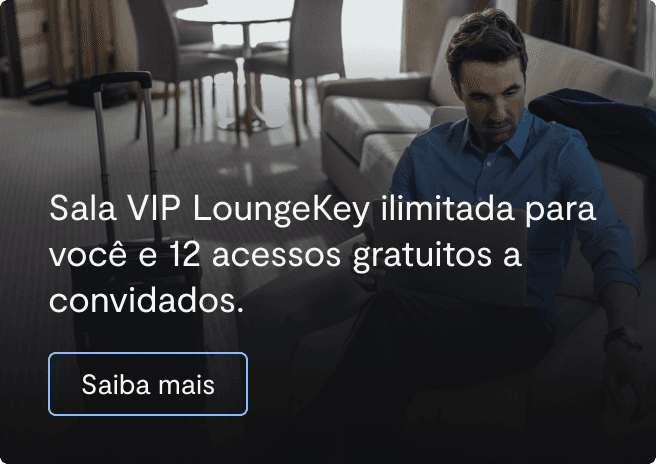
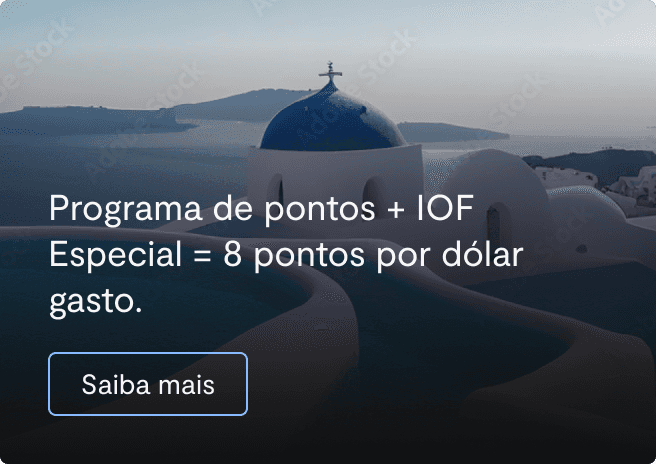
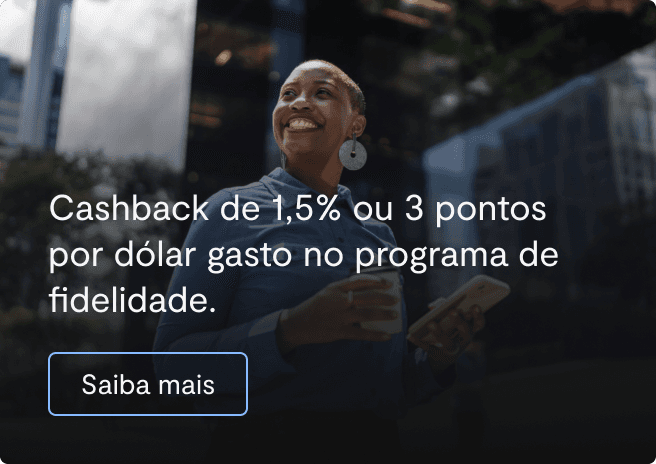
For the UltraBlue card, we created a dedicated landing page designed exclusively for its clients. The objective was to clearly communicate the differentiated benefits of the product while reinforcing its premium positioning. Instead of presenting features in a purely functional way, we translated the value proposition into a more aspirational and engaging experience.
The page was structured to highlight exclusive benefits through cohesive thematic sections, making complex information easier to understand and more compelling. We leveraged high-impact imagery aligned with the design system to create visual consistency, strengthen brand identity, and elevate the perception of exclusivity associated with the Ultrablue card.






Rethinking the checkout hiring flow
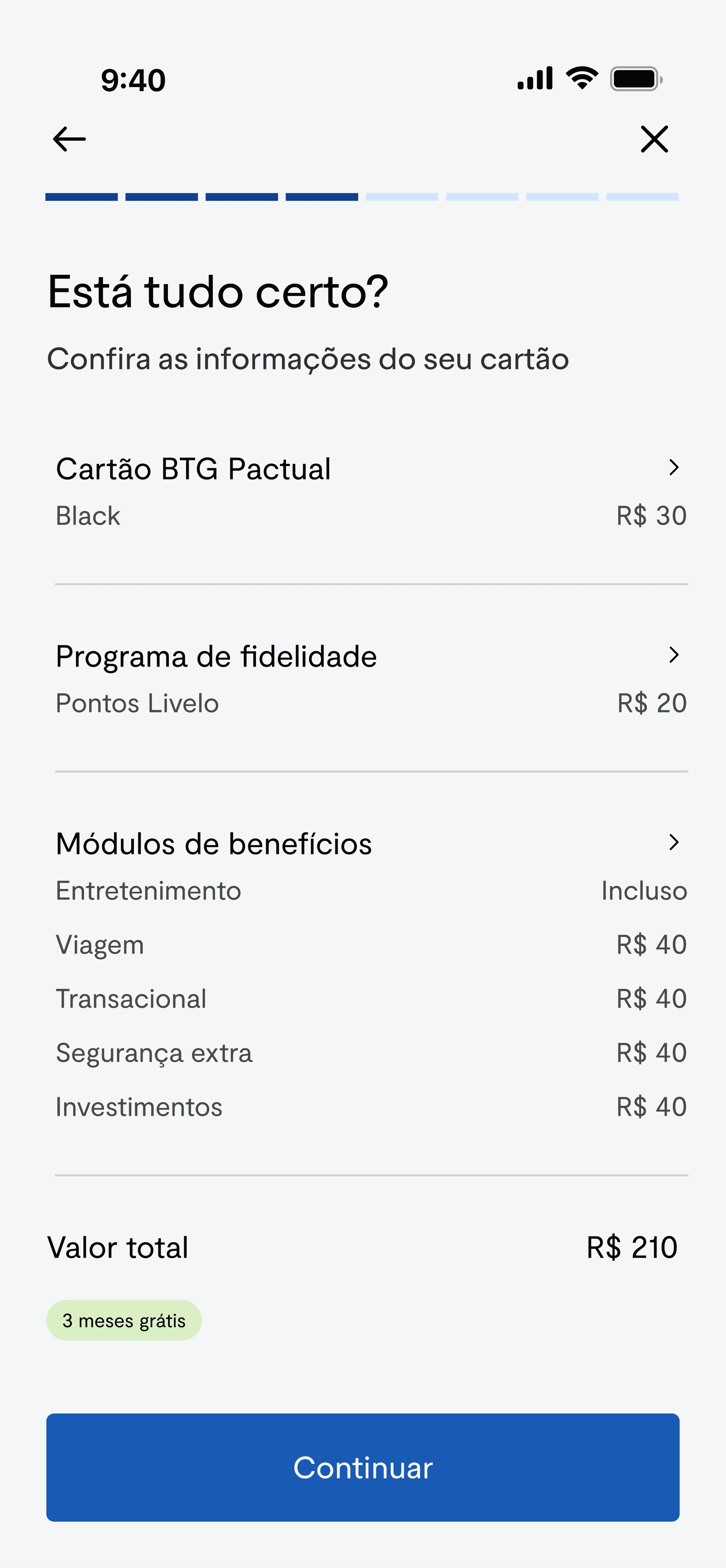
One of the main challenges in this project was redesigning the hiring flow. Previously, the experience was modular and clients selected benefit modules before proceeding to a checkout step to review and validate the items they had chosen. For the Ultrablue card, however, all benefits are included by default and there is no need for selection or customization.
This raised an important UX question about how to design a flow that traditionally depends on user action and choice when, in this case, there is nothing to actively select. Instead of a transactional checkout, the experience needed to become a validation moment with clarity and confidence about what the client is about to receive, without creating unnecessary friction or artificial steps.
The solution was to transform the checkout logic into a single validation screen focused on transparency and reassurance. Rather than emphasizing action, the screen reinforced value by summarizing the included benefits, eligibility conditions, and next steps. This approach maintained consistency with existing mental models while simplifying the journey to reflect the premium and all inclusive nature of the Ultrablue card.
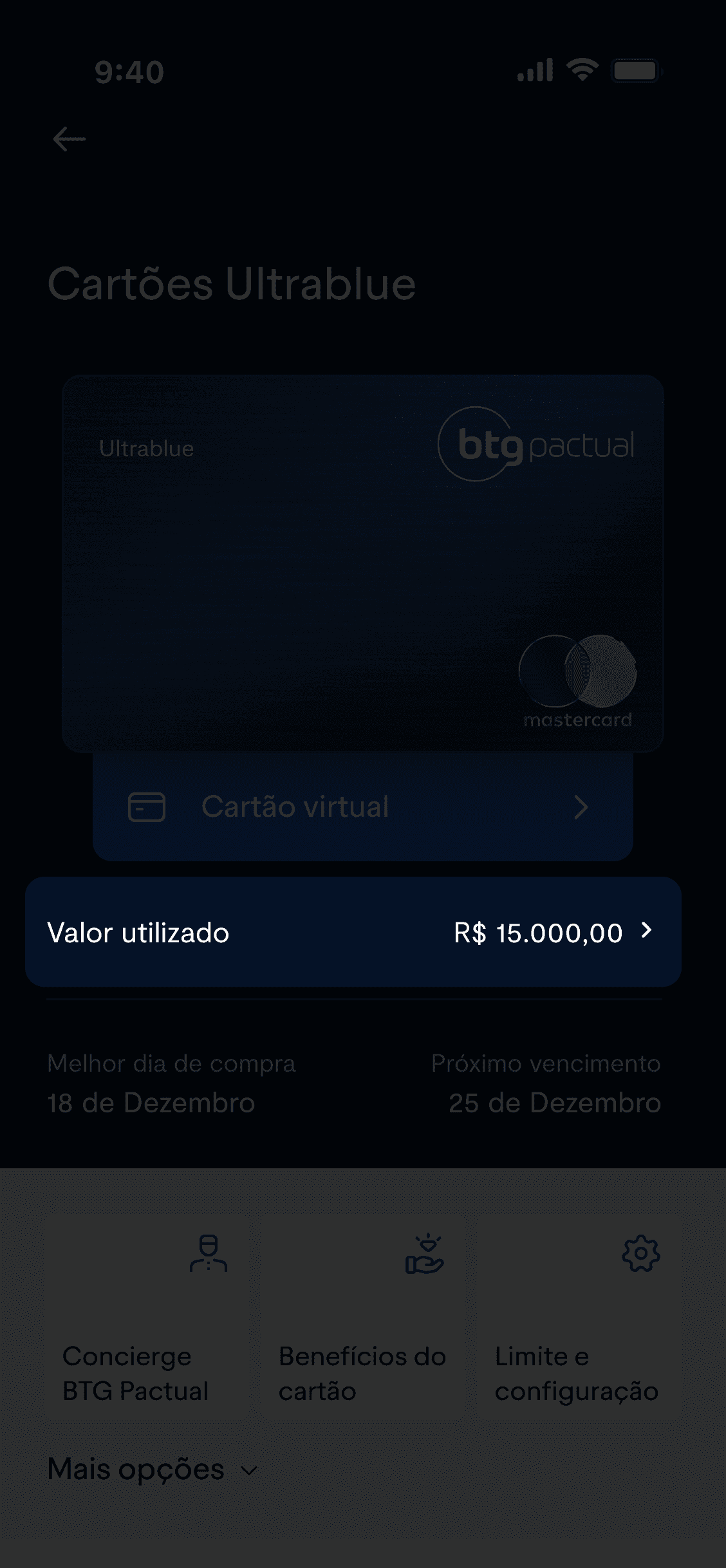
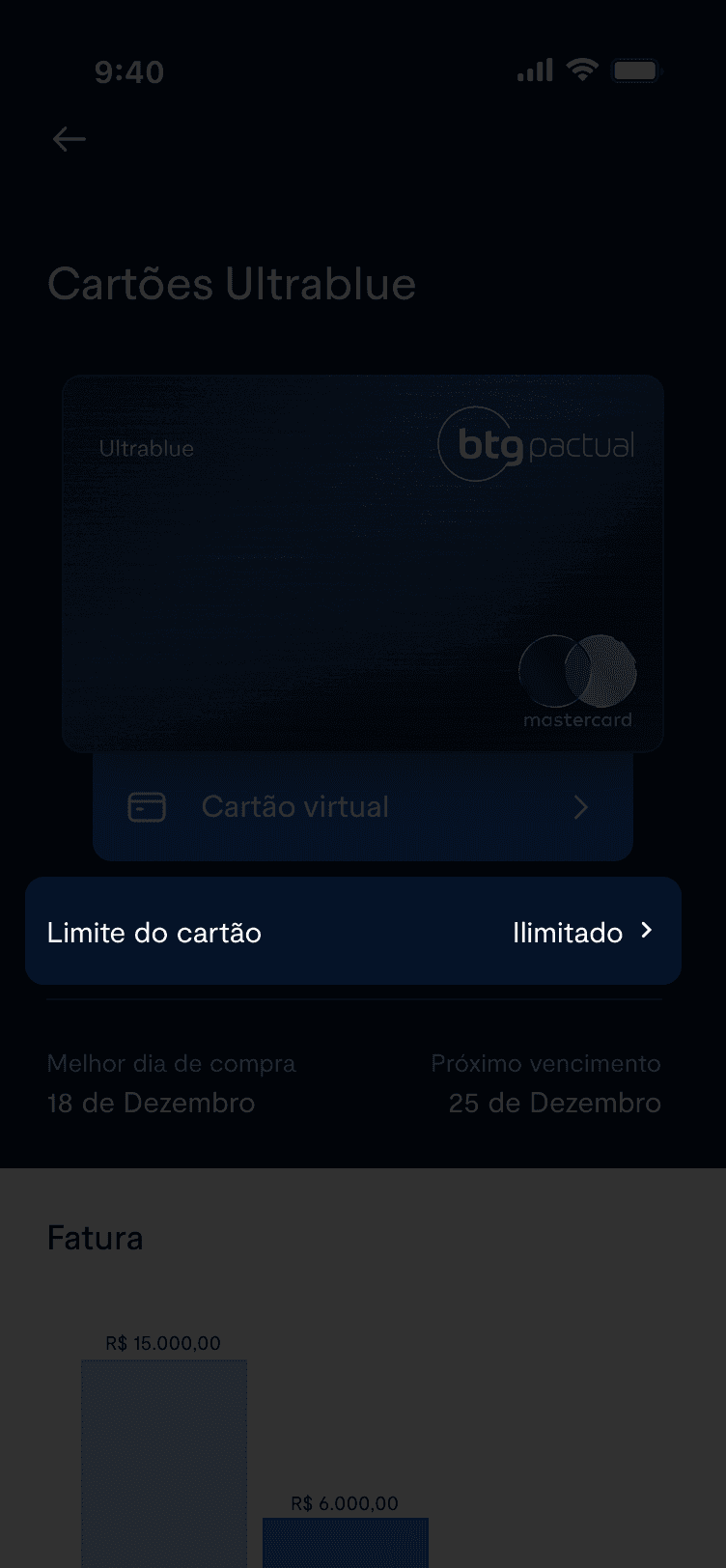
Cards home screen
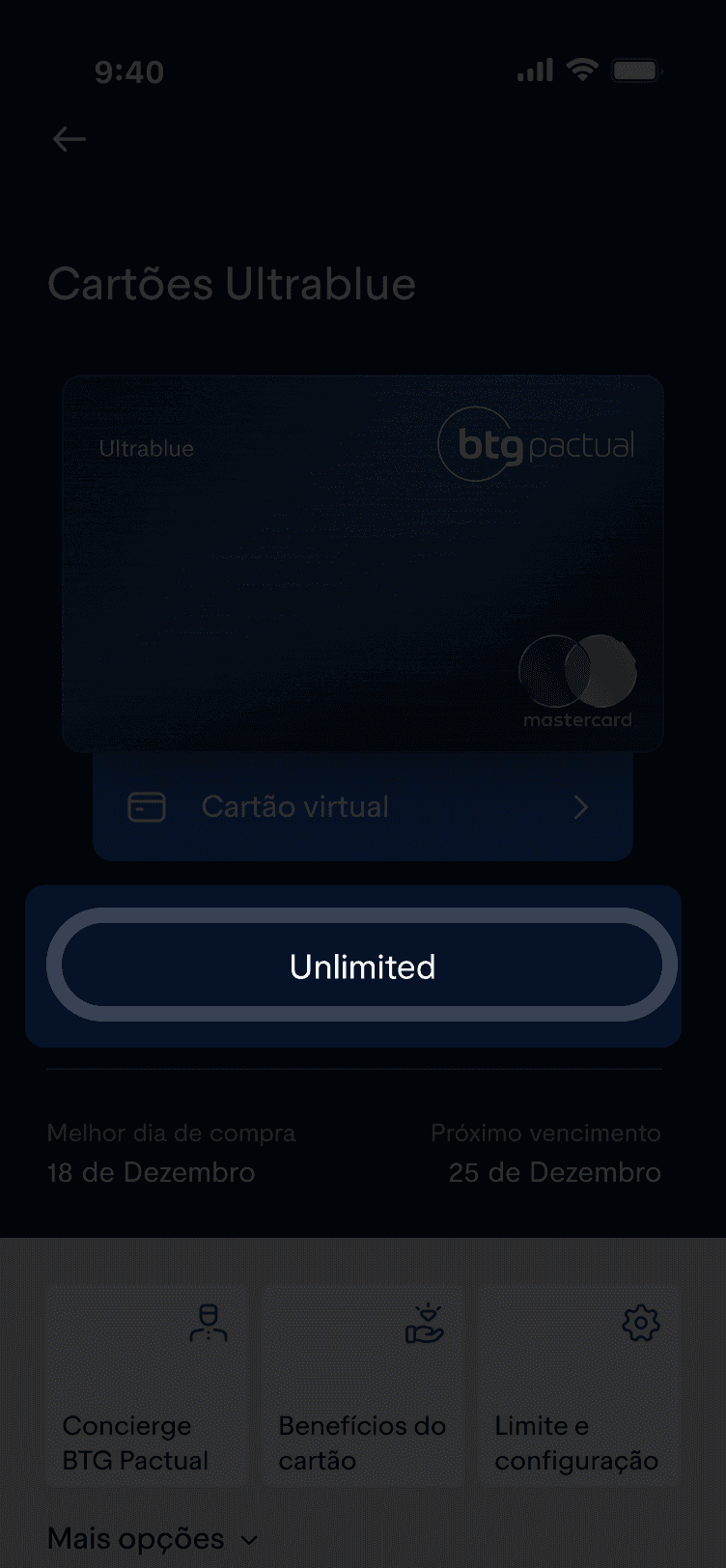
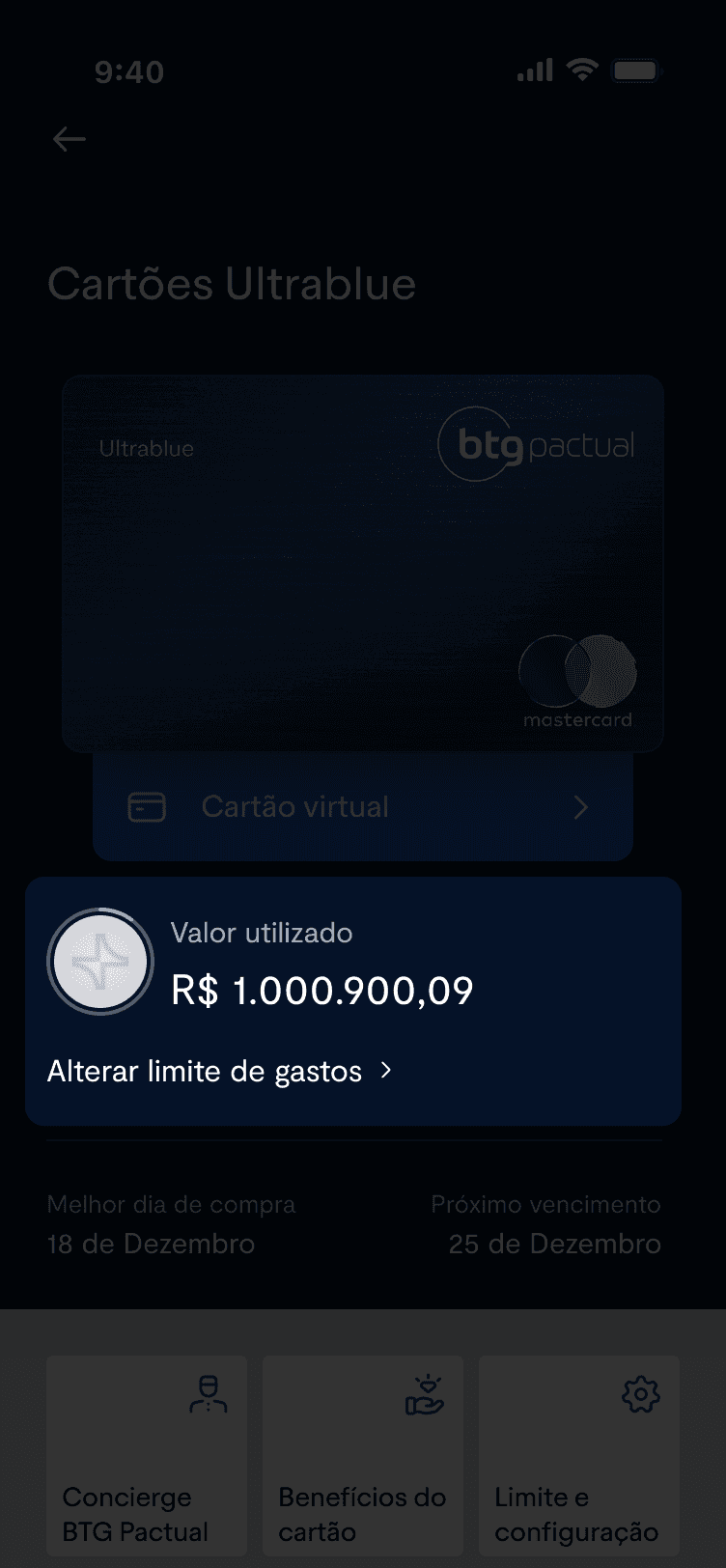
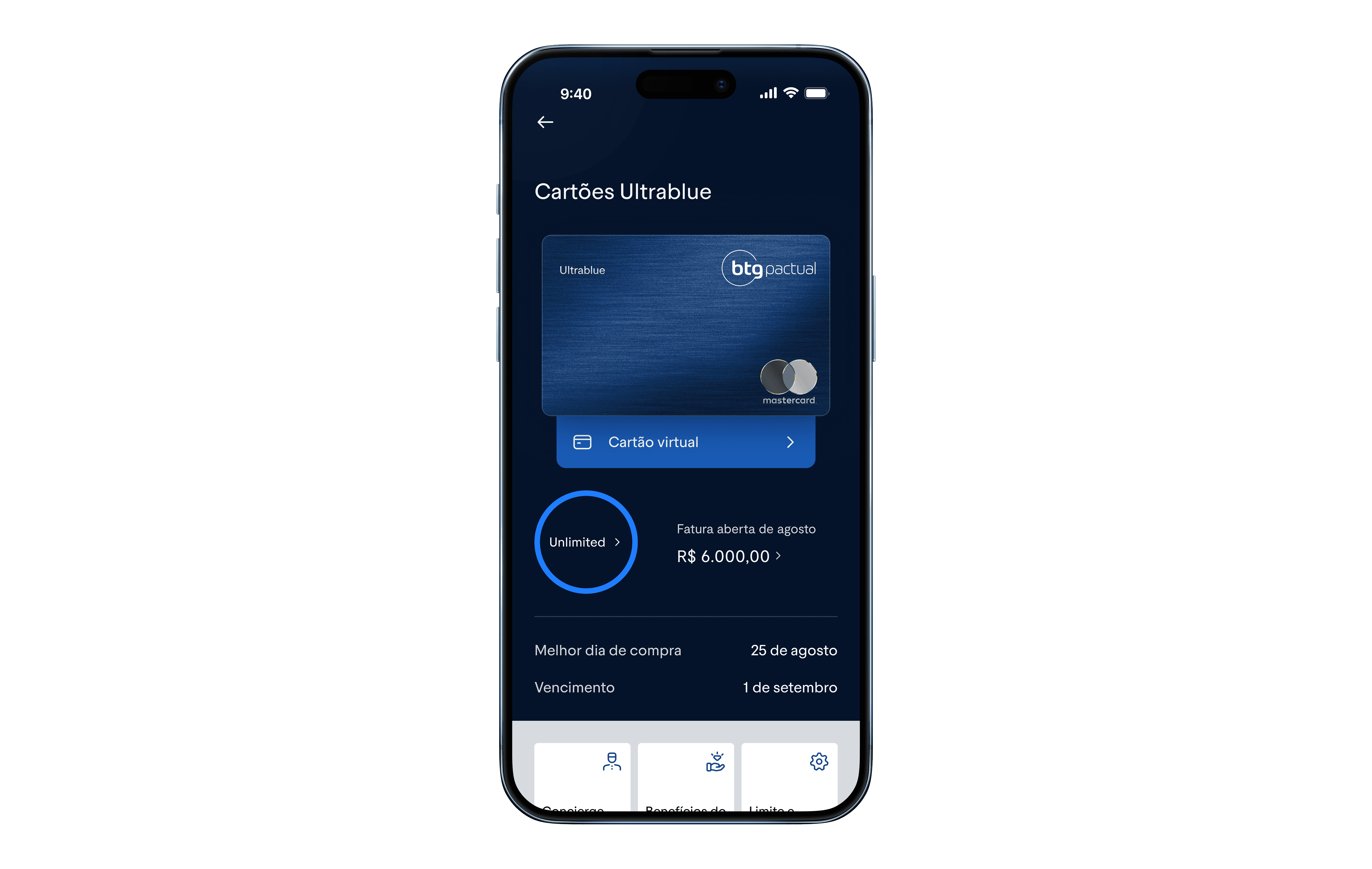
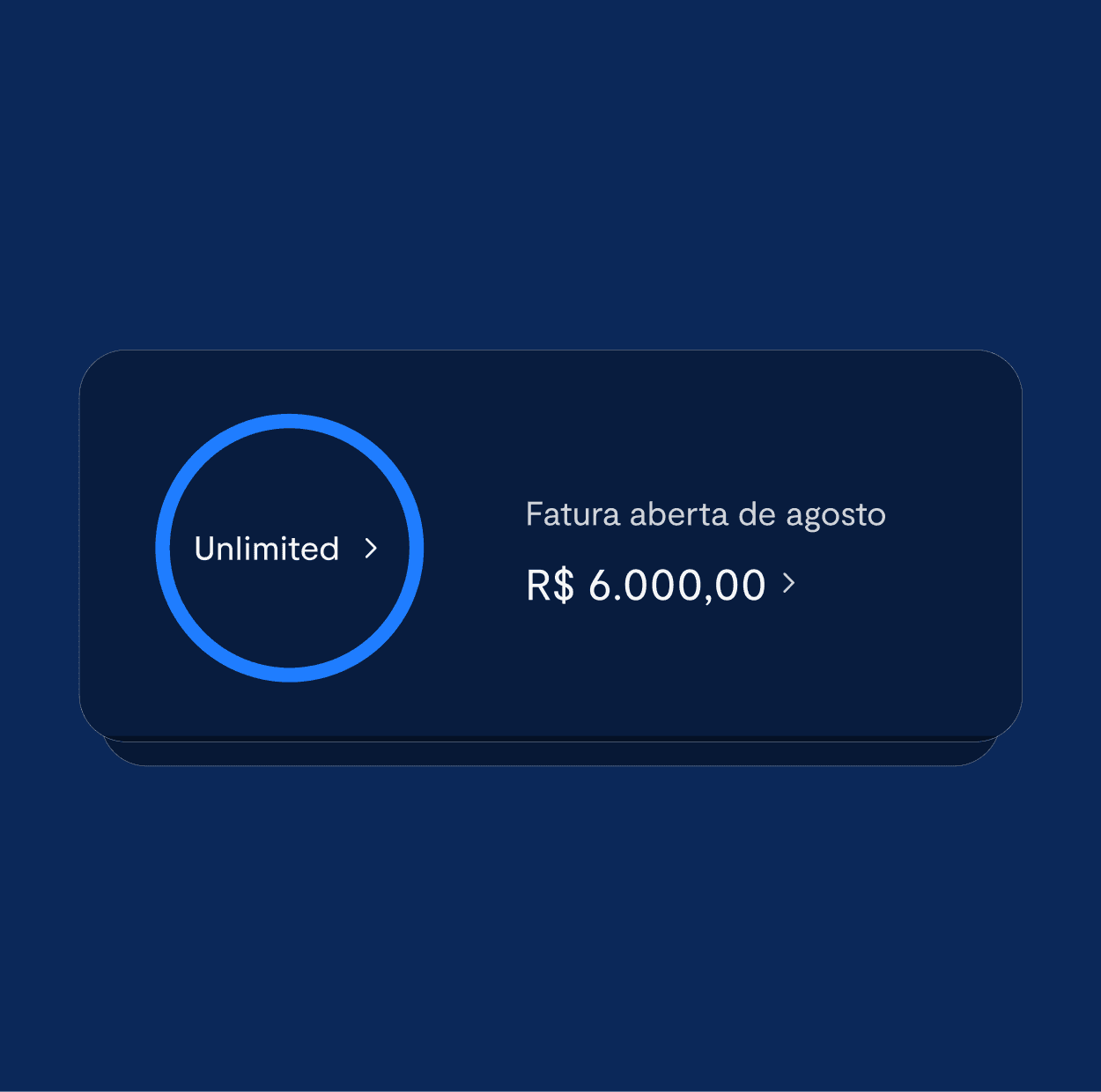
Another key challenge was making the unlimited nature of the Ultrablue card clearly visible on the cards home screen. Since most credit card interfaces are structured around predefined limits, the existing layout was strongly tied to the concept of available credit. I explored and tested multiple approaches, from adapting the traditional limit bar to introducing stronger microcopy and alternative visual cues, always aiming to ensure immediate understanding without adding friction or confusion.
In the end, the most effective solution was to symbolize the unlimited concept through a circular representation. The circle naturally conveys a sense of continuity and infinitude, with no clear beginning or end, reinforcing the idea of limitless spending. This visual metaphor allowed us to communicate the benefit intuitively while maintaining consistency with the design system and elevating the premium perception of the Ultrablue card.
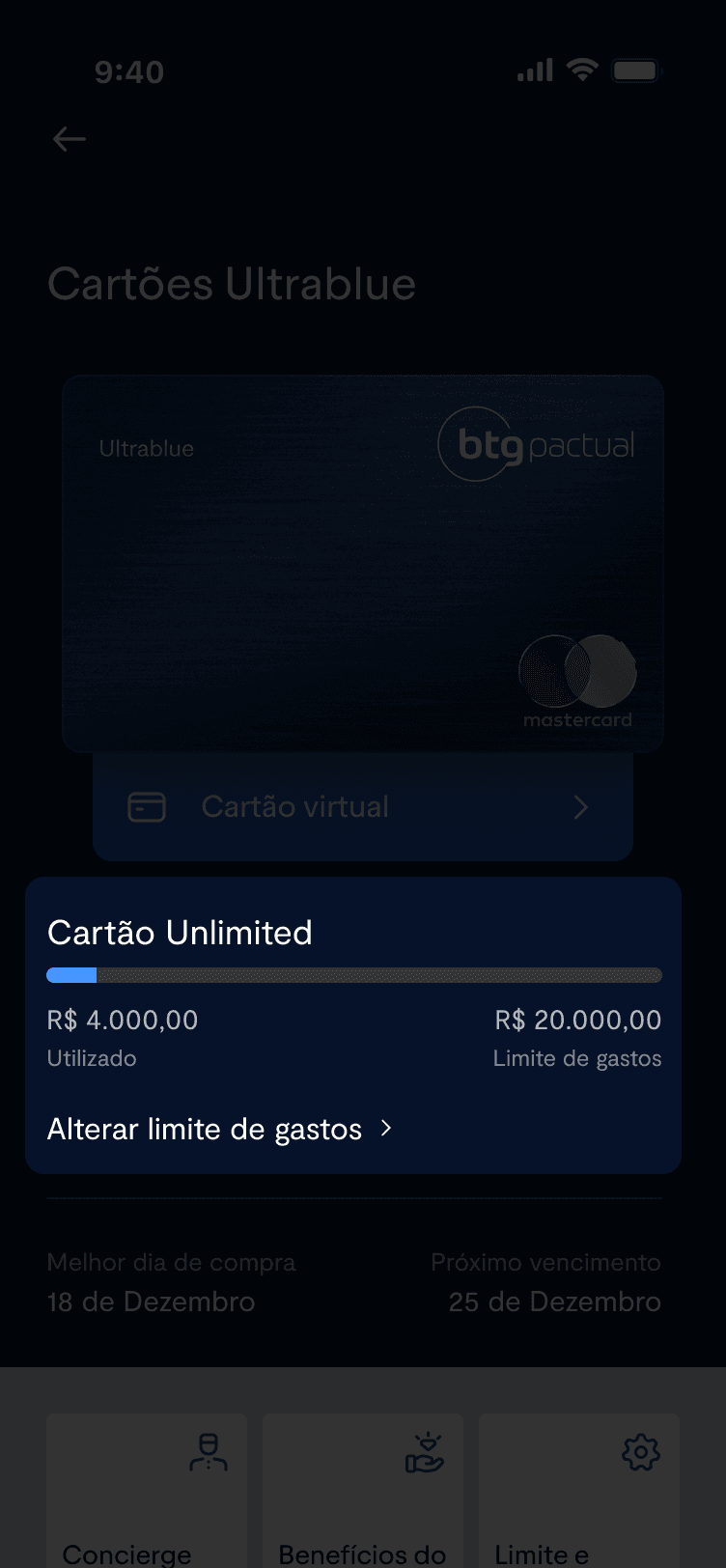
Card Management and Unlimited Configuration
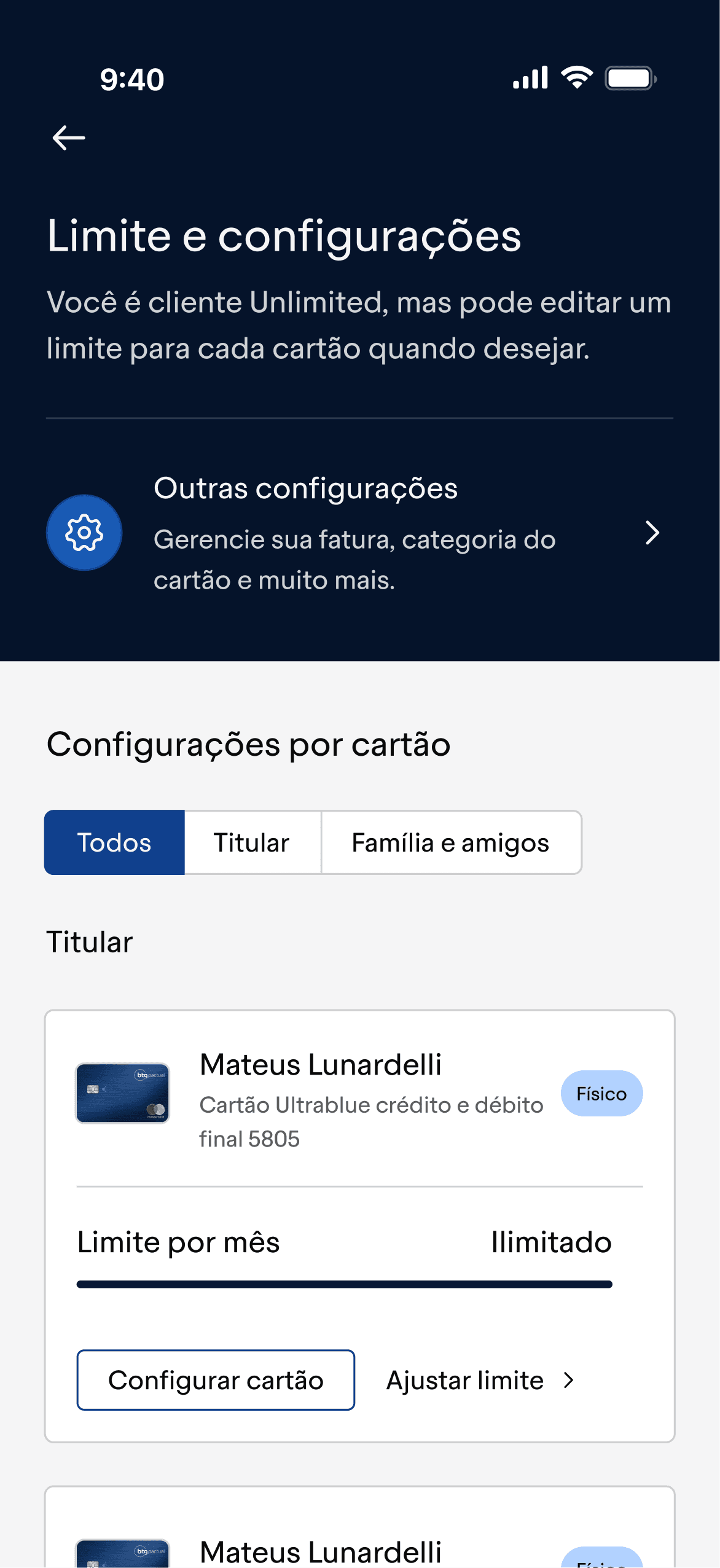
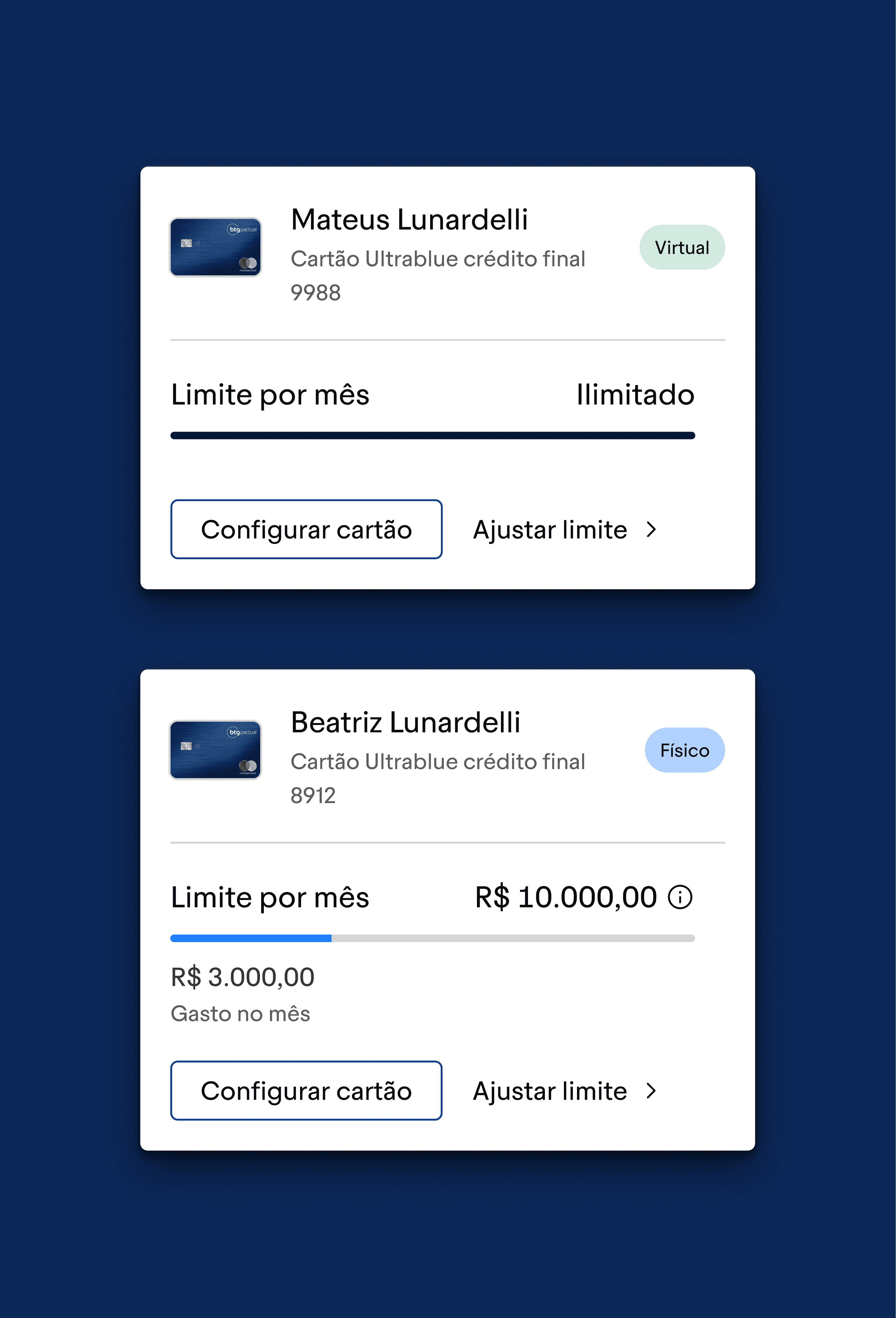
Another important challenge was designing the card management experience, where each additional card could have an individual limit or be set as unlimited. The interface needed to clearly differentiate these states while remaining consistent with the overall visual language. To avoid replicating the circular element used on the home screen, I introduced a different visual indicator to represent the unlimited option within this context, ensuring clarity without redundancy and preserving a cohesive yet flexible design system.

From interface to impact.
Design choices translated into measurable impact…
Data and results
About Ultrablue
While specific metrics can’t be shared, ultrablue became a meaningful milestone in the evolution of BTG Pactual’s premium offering.
The card helped solidify the bank’s position in the premium segment by translating its ambition into a tangible product designed for high-income clients who expect a more integrated and sophisticated financial experience.
As the product took shape in the market, we saw a clear shift in behavior. Clients who previously relied on premium cards from other institutions began adopting ultrablue as their primary card. This movement signaled trust in the product and validated its relevance within a highly competitive landscape.
By aligning closely with BTG’s core values long-term relationships, financial sophistication, and trus. Ultrablue strengthened customer principalidade. Clients who already invested with the bank increasingly saw the card as a natural extension of that relationship, consolidating more of their financial life within the same ecosystem, especially around travel, experiences, and everyday convenience.


" height="2.1187359513420594px" id="P5kIJB7Ko" transform="translate(4.268 0)" width="11.73219480873486px"/><path d="M 2.13 11.637 L 0 11.637 L 0 0 L 2.13 0 Z" fill="rgb(15, 14, 14)" height="11.636652122173734px" id="xBplekXaY" transform="translate(13.87 0)" width="2.1296344887445002px"/><path d="M 1.509 14.942 L 0 13.447 L 13.563 0 L 15.073 1.496 Z" fill="rgb(15, 14, 14)" height="14.94221869628454px" id="DEz5S9WYM" transform="translate(0 1.058)" width="15.072818848944806px"/></g></svg>)